
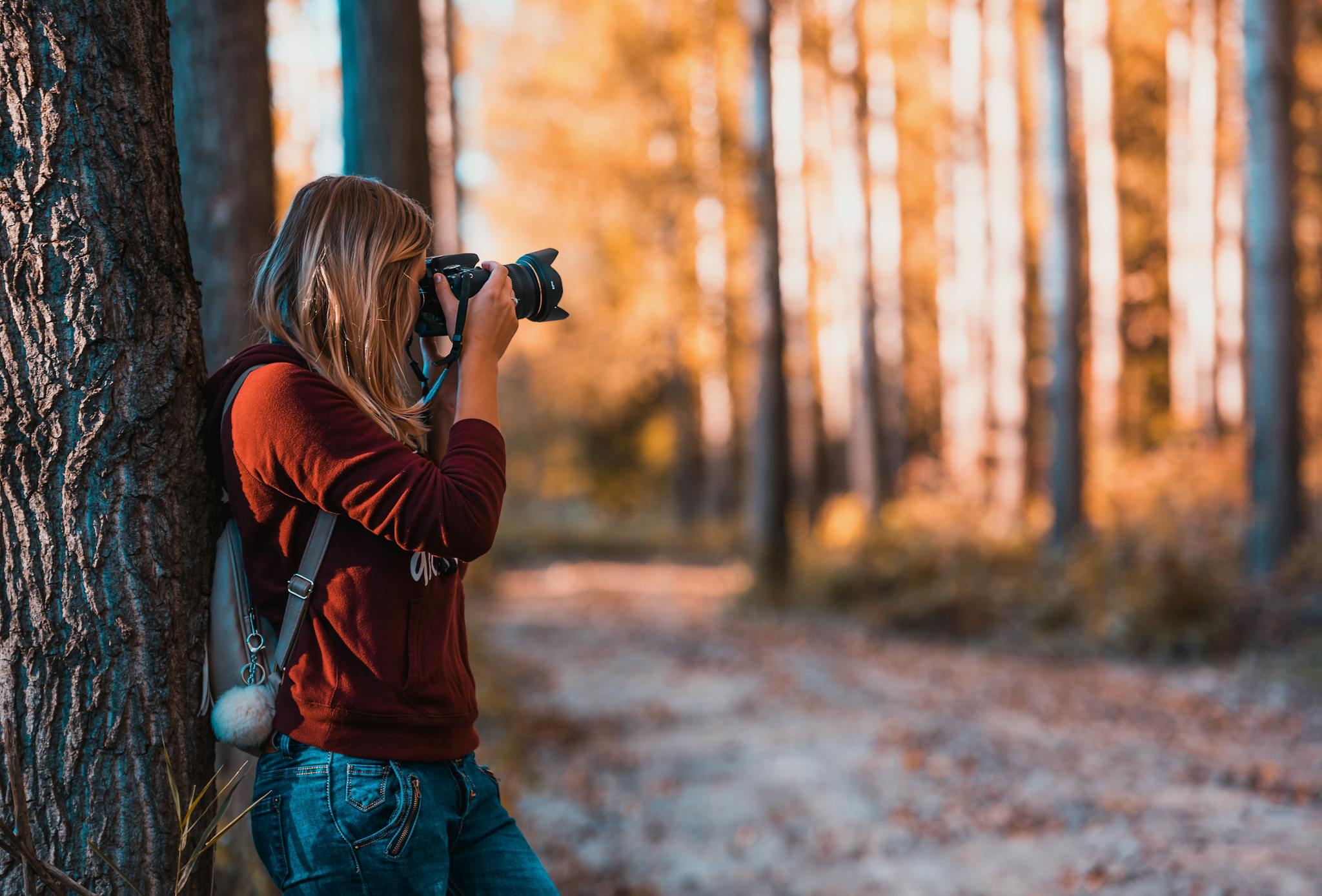
Portrait photography is an art form that transcends mere images; it’s about freezing moments that resonate with emotions and narrate compelling stories. In this section, we delve into the essence of portrait photography, exploring the profound impact of capturing emotions and the pivotal role it plays in elevating personal and professional profiles.
A. The Essence of Portrait Photography
1. The Impact of Capturing Emotions 📸😊
In the realm of portrait photography, every click aims to encapsulate the raw, unfiltered emotions of the subject. The ability to freeze genuine smiles, contemplative gazes, and expressions of joy is what sets a remarkable portrait apart. 🌟✨
Emphasizing the Emotional Connection: Bold photographers understand that a portrait is not just a visual representation; it’s a mirror reflecting the subject’s soul. Learn to capture those fleeting moments that tug at heartstrings, forging a profound emotional connection between the viewer and the photograph.
2. Telling Stories Through Portraits 📖🖼️
Beyond a mere depiction, portraits have the power to tell intricate stories. Each line on a person’s face, every glint in their eyes, narrates a unique journey. 🌌✍️
Crafting Narrative Portraits: Dive into the art of storytelling through your lens. Consider the subject’s background, experiences, and aspirations, and let these elements guide your composition. 🧡📷
B. Importance of Professional Portrait Sessions
1. Elevating Personal and Professional Profiles 🚀💼
Professionalism in portrait sessions isn’t just about capturing a good image; it’s about sculpting an individual’s public image. A carefully curated portrait can elevate personal branding and professional profiles to new heights. 🌟👔
Strategic Personal Branding: Professionals today understand the significance of a strong online presence. Learn how strategically crafted portraits can act as powerful visual assets, leaving a lasting impression on clients, colleagues, and online audiences alike.
2. Creating Lasting Impressions 🎉🌐
First impressions matter, and a well-crafted portrait is your opportunity to make a lasting one. Whether for a LinkedIn profile, corporate website, or personal blog, a professional portrait speaks volumes about an individual’s dedication and attention to detail. 🌈📸
Investing in Your Image: Explore the tangible benefits of investing in professional portrait sessions. We discuss how a captivating headshot can open doors, create opportunities, and leave an indelible mark in the minds of those who view it.
Stay tuned for the next section as we unravel the essential equipment and lighting techniques to capture stunning portraits! 🌠✨
Essential Equipment for Stunning Portrait Shots
In the realm of portrait photography, having the right equipment is akin to wielding a painter’s brush – it’s the key to crafting visually striking and emotionally resonant portraits. In this section, we delve into the indispensable tools of the trade, guiding you through the selection of the perfect camera and mastering lighting techniques for flawless portraits.
A. Choosing the Right Camera for Portraits
1. High-Resolution Sensors 📷🔍
When it comes to capturing intricate details and nuanced expressions, the importance of a high-resolution sensor cannot be overstated. A camera with a robust sensor ensures that every aspect of your subject is rendered with clarity and precision. 🌈💫
Decoding Megapixels: Explore the world of megapixels and understand how they contribute to the sharpness and overall quality of your portraits. We guide you through choosing a camera with the ideal megapixel count for your portrait photography needs.
2. Ideal Portrait Lenses 📸🔮
Lenses are the eyes of your camera, and selecting the right ones can make or break a portrait. Delve into the art of lens selection, exploring focal lengths, apertures, and lens types that are tailored for capturing stunning portraits. 🌟🔍
Prime vs. Zoom: Unravel the debate between prime and zoom lenses, understanding when to opt for each to maximize the impact of your portrait sessions. We break down the advantages of each and guide you in making informed decisions.
B. Lighting Techniques for Flawless Portraits
1. Natural Light Advantages ☀️🌿
Mastering natural light is a skill that sets exceptional portrait photographers apart. Understand the nuances of natural light, learning how to harness its strengths to create captivating portraits in various outdoor settings. 🍃🌞
Golden Hour Magic: Explore the magic of the golden hour and discover how the soft, warm hues of early morning or late evening light can transform your portraits. We share tips on positioning your subject to make the most of this enchanting time.
2. Artificial Lighting Options for Various Effects 💡🎨
While natural light is poetic, artificial lighting offers control and versatility. Dive into the world of artificial lighting, from basic flash techniques to advanced setups that allow you to sculpt the perfect lighting for every portrait session. 🌈📸
Mastering Studio Lighting: Whether you’re a studio aficionado or a natural light enthusiast, we cover the essentials of studio lighting setups. Explore various lighting modifiers, positions, and techniques to achieve studio-quality results on location.
Equip yourself with the knowledge to make informed decisions about your photography gear and lighting setups. Stay tuned as we venture into the art of posing for natural and expressive portraits in the next segment! 🌠✨
Posing Tips for Natural and Expressive Portraits
In the intricate dance of portrait photography, the art of posing is a language that communicates volumes. In this section, we unravel the secrets of guiding your subjects for authentic expressions and explore creative posing techniques that breathe life into diverse portraits.
A. Guiding Your Subjects for Authentic Expressions
1. Directing Natural Body Language 🤔💃
One of the keys to capturing authentic expressions is guiding your subjects in a way that allows their natural body language to shine through. Dive into the art of directing poses that feel natural and effortless, creating portraits that tell genuine stories. 📷🍃
| Tips for Natural Body Language |
|---|
| 1. Engage in Conversation: Create a comfortable atmosphere by engaging your subjects in conversation. Candid moments often arise when individuals are at ease. |
| 2. Encourage Movement: Capture the beauty of movement by encouraging subjects to sway, walk, or interact naturally. Authenticity often reveals itself in the in-between moments. |
| 3. Focus on Comfort: Ensure your subjects feel comfortable in their chosen poses. Avoid forcing unnatural positions that may result in stiff and awkward expressions. |
2. Encouraging Genuine Smiles 😄📸
A genuine smile is the gateway to capturing the true essence of a person. Learn the art of fostering an environment where authentic smiles naturally emerge, allowing your subjects to radiate joy in their portraits. 🌟🎉
| Tips for Encouraging Genuine Smiles |
|---|
| 1. Tell Light-Hearted Jokes: Lighten the mood by sharing jokes or funny anecdotes. Laughter often leads to spontaneous and genuine smiles. |
| 2. Compliment Sincerely: Offer sincere compliments to boost your subject’s confidence. A confident subject is more likely to exude genuine joy. |
| 3. Capture Unscripted Moments: Be ready to capture those unscripted moments between poses, where laughter and smiles naturally occur. |
B. Creative Posing Techniques for Diverse Portraits
1. Dynamic Poses for Individuals 🌈🕺
Individual portraits come to life when posed dynamically. Explore creative techniques to infuse energy and personality into individual poses, making each frame a unique and captivating piece of art. 🎨📷
| Creative Posing Techniques for Individuals |
|---|
| 1. Incorporate Movement: Explore poses that involve movement, such as twirls, jumps, or walking towards the camera. Dynamic poses add an element of vitality to the portrait. |
| 2. Utilize the Environment: Encourage subjects to interact with their surroundings. Whether leaning against a wall or sitting on a staircase, the environment can complement dynamic poses. |
| 3. Experiment with Angles: Experiment with different angles to find the most flattering and dynamic perspectives. Tilt the camera or try shooting from a low or high vantage point. |
2. Group Posing Dynamics 🤝👫
Group portraits require a unique set of posing dynamics to ensure harmony and visual appeal. Discover techniques for orchestrating group poses that showcase the collective spirit while allowing individual personalities to shine. 🌟📸
| Posing Dynamics for Group Portraits |
|---|
| 1. Establish a focal point: Guide the group to focus on a central point or interact with each other. This creates a sense of unity and connection in the composition. |
| 2. Balance Heights and Positions: Consider the heights and positions of individuals within the group. Distribute heights evenly and experiment with varied positions for a balanced look. |
| 3. Encourage Natural Interactions: Capture the authenticity of group dynamics by encouraging natural interactions. Genuine laughter and shared moments create memorable group portraits. |
With these posing techniques, you’re poised to create portraits that not only capture physical likeness but also the authentic spirit of your subjects. Stay tuned as we dive into the realm of post-processing secrets for professional portrait enhancement in the next segment! ✨🖼️
Post-Processing Secrets for Professional Portrait Enhancement
Once the shutter clicks and the portraits are captured, the journey continues through the realm of post-processing. In this section, we unveil the secrets of utilizing photo editing software effectively to enhance skin tones, textures, and backgrounds, all while preserving the authenticity of your subjects.
A. Utilizing Photo Editing Software Effectively
1. Enhancing Skin Tones and Textures 🎨👩🎨
Post-processing is where the magic happens, transforming your portraits into polished masterpieces. Dive into the art of enhancing skin tones and textures, ensuring a flawless yet natural appearance in every photograph. 🌟🖌️
| Tips for Enhancing Skin Tones and Textures |
|---|
| 1. Smooth Skin Tone Corrections: Utilize tools like frequency separation and dodge and burn techniques to achieve smooth and even skin tones without sacrificing texture. |
| 2. Color Grading for Realism: Use color grading to enhance and refine skin tones, ensuring a realistic and vibrant portrayal. Pay attention to subtleties to avoid over-editing. |
| 3. Detail Enhancement: Employ sharpening techniques selectively to enhance skin texture while maintaining a natural look. This brings out the intricate details without overemphasizing flaws. |
2. Background Adjustments for a Polished Look 🌆🖼️
The background serves as the canvas for your portrait masterpiece. Learn the art of adjusting backgrounds to create a polished and visually appealing backdrop that complements your subjects. 🌈🔍
| Tips for Background Adjustments |
|---|
| 1. Selective Blurring: Use selective blurring techniques to bring focus to the subject while subtly blurring the background. This technique adds depth and draws attention to the main elements of the portrait. |
| 2. Color Correction: Adjust the color balance of the background to ensure it harmonizes with the overall mood of the portrait. Consistent color palettes create a cohesive and professional look. |
| 3. Removing Distractions: Remove any distracting elements or blemishes in the background through careful retouching. A clean and clutter-free background enhances the overall aesthetic of the portrait. |
B. Preserving the Authenticity of Portraits Through Editing
1. Balancing Enhancements and Natural Aesthetics ⚖️🌿
In the quest for perfection, it’s crucial to strike a balance between enhancements and maintaining the natural aesthetics of your subjects. Discover techniques that allow you to elevate your portraits while preserving the authenticity that makes each subject unique. 🌟📸
| Tips for Balancing Enhancements and Natural Aesthetics |
|---|
| 1. Use of Layers and Masks: Implement layers and masks in your editing workflow to selectively apply enhancements. This allows for nuanced adjustments without affecting the entire image. |
| 2. Referencing the Original Image: Regularly reference the original image while editing to ensure that enhancements align with the subject’s natural features. This prevents over-editing and retains authenticity. |
| 3. Feedback and Iteration: Seek feedback from peers or mentors to gain insights into maintaining a balance between enhancements and natural aesthetics. Iterative editing allows for continuous improvement. |
2. Showcasing the Subject’s True Essence 🌟👤
The ultimate goal of portrait editing is to showcase the true essence of your subjects. Learn techniques that go beyond superficial enhancements, allowing the viewer to connect with the genuine spirit captured in each photograph. 📷🌈
| Tips for Showcasing the Subject’s True Essence |
|---|
| 1. Emphasis on Eyes and Expressions: Prioritize the enhancement of eyes and facial expressions to convey the subject’s emotions authentically. These are the windows to the soul. |
| 2. Storytelling Through Edits: Infuse storytelling elements into your edits. Use editing techniques to highlight aspects of the portrait that contribute to the narrative, further emphasizing the subject’s personality. |
| 3. Consistent Editing Style: Develop a consistent editing style that aligns with your artistic vision. This not only establishes your unique signature but also ensures a cohesive and recognizable body of work. |
Embark on the post-processing journey with confidence, armed with techniques that enhance your portraits while staying true to the authenticity of your subjects. Stay tuned for the upcoming segment, where we explore the masterful selection of locations for dynamic portraits! 🌠📸
Mastering Location Selection for Dynamic Portraits
The choice of location is the canvas upon which the narrative of a portrait unfolds. In this segment, we delve into the impactful role of backgrounds on portraiture, exploring the nuances of natural outdoor settings, the controlled environment of studio backdrops, and the art of aligning locations with the subject’s personality for captivating and contemporary portraits.
A. Impact of Backgrounds on Portraiture
1. Natural Outdoor Settings 🌳🌅
Explore the allure of natural settings, where the beauty of the outdoors enhances the narrative of your portraits.
Advantages:
- Varied Textures: Utilize lush greenery and rugged landscapes for depth.
- Natural Lighting: Leverage the warm hues of the golden hour for captivating portraits.
- Seasonal Themes: Adapt to changing seasons, creating diverse visual stories.
2. Studio Backdrops for Controlled Environments 🎨🔍
Discover the precision and versatility of studio settings, providing meticulous control over lighting and backdrops.
Advantages:
- Total Lighting Control: Sculpt lighting precisely to your vision.
- Backdrop Variety: Choose from a range of backdrops for versatility.
- Minimal Distractions: Eliminate external disruptions for focused compositions.
B. Choosing Locations to Complement Your Subject
1. Aligning Backgrounds with the Subject’s Personality 🌈👤
Harmonize the backdrop with your subject’s character, turning it into an integral part of the narrative.
Tips:
- Consult with Your Subject: Understand preferences and interests for tailored locations.
- Consider Color Palettes: Ensure colors complement attire and the overall palette.
- Match Energy Levels: Select settings that resonate with your subject’s personality.
2. Utilizing Urban Environments for Contemporary Portraits 🏙️📷
Embrace the dynamism of cityscapes, incorporating architectural elements and street scenes for a contemporary flair.
Techniques:
- Architectural Elements: Use bridges, buildings, or alleys for an urban aesthetic.
- Street Scenes: Capture subjects amidst the vibrancy of city life.
- Use of Reflections: Leverage reflective surfaces for unique perspectives.
This refined format aims to deliver the information clearly without relying on tables. Feel free to let me know if you have any specific preferences or adjustments you’d like to make!
Navigating Challenges in Portrait Photography
The path to creating exceptional portraits is often dotted with challenges. In this section, we tackle the common hurdles faced in portrait photography, offering insights on overcoming lighting issues and adapting to unpredictable weather conditions.
A. Overcoming Common Lighting Issues
1. Handling Harsh Sunlight ☀️🕶️
Harsh sunlight can create unflattering shadows and highlights, posing a challenge to portrait photographers. Discover techniques for managing intense sunlight to capture striking portraits.
Tips:
- Use Diffusers: Soften sunlight by employing diffusers or reflectors to create even lighting on your subject.
- Seek Shade: Position your subject in shaded areas to avoid harsh shadows and highlights.
- Time Management: Schedule shoots during the golden hour or overcast days for softer, more flattering light.
2. Balancing Multiple Light Sources 💡🔆
In environments with multiple light sources, achieving balance is crucial for a harmonious composition. Learn strategies to navigate diverse lighting conditions and create well-lit portraits.
Strategies:
- White Balance Adjustments: Fine-tune white balance settings to neutralize color casts caused by different light sources.
- Use Fill Flash: Introduce fill flash to illuminate shadows and create a balanced lighting effect.
- Scout Locations: Choose shooting locations that offer consistent lighting to simplify the process.
B. Dealing with Uncooperative Weather Conditions
1. Creative Solutions for Rain or Overcast Days ☔☁️
Unpredictable weather can present challenges, but it also opens doors to creativity. Explore innovative approaches for capturing captivating portraits on rainy or overcast days.
Creative Solutions:
- Embrace Reflections: Use puddles or wet surfaces to create captivating reflections.
- Experiment with Umbrellas: Incorporate umbrellas as props for a unique and stylish aesthetic.
- Utilize Overcast Lighting: Leverage soft, diffused light on overcast days for flattering portraits.
2. Leveraging Weather Conditions for Unique Shots 🌪️🌈
Rather than viewing adverse weather as a hindrance, leverage it to your advantage. Discover how to turn challenging weather conditions into opportunities for creating distinctive and memorable portraits.
Opportunities:
- Dramatic Sky Effects: Embrace stormy skies or dramatic cloud formations for added impact.
- Snowfall Elegance: Capture the ethereal beauty of falling snow to create a magical atmosphere.
- Fog and Mystique: Leverage fog for an atmospheric and mysterious ambiance in your portraits.
Navigate the challenges with confidence, turning each obstacle into an opportunity for innovation and creativity. Stay tuned for the next segment, where we delve into the intricacies of showcasing your portrait portfolio online! 🌟📷
Showcasing Your Portrait Portfolio Online
In the digital age, your online presence is a powerful tool for reaching a wider audience and establishing your identity as a portrait photographer. In this section, we explore the essential steps to build a stunning photography portfolio website and leverage social media for exposure.
A. Building a Stunning Photography Portfolio Website
1. SEO-Friendly Image Descriptions 🌐🖼️
Optimizing your images for search engines is key to increasing your online visibility. Implement SEO-friendly practices for image descriptions to ensure your portfolio ranks higher in search results.
Best Practices:
- Descriptive Alt Text: Craft alt text that describes the content of each image accurately.
- Keyword Integration: Integrate relevant keywords naturally into your image descriptions.
- Consistent Naming Conventions: Maintain consistent and clear file naming conventions for better SEO.
2. Optimizing Website for Mobile Viewing 📱💻
With a significant portion of internet users accessing content on mobile devices, optimizing your portfolio website for mobile viewing is crucial for a seamless user experience.
Optimization Tips:
- Responsive Design: Ensure your website design is responsive, adapting to various screen sizes.
- Fast Loading Speeds: Optimize images and minimize large files to enhance loading speed.
- Intuitive Navigation: Simplify navigation for mobile users with clear menus and accessible buttons.
B. Utilizing Social Media for Exposure
1. Hashtag Strategies for Reaching a Broader Audience 📸🔍
Effectively using hashtags on social media platforms can significantly expand your reach and attract a broader audience interested in portrait photography.
Strategies:
- Research Trending Hashtags: Stay informed about popular and relevant hashtags within the photography community.
- Create Unique Hashtags: Develop a signature hashtag for your brand to encourage audience engagement.
- Variety in Hashtags: Mix popular and niche hashtags to reach different segments of your target audience.
2. Engaging with the Photography Community 🤝📷
Building connections within the photography community can amplify your online presence. Engage with fellow photographers, potential clients, and photography enthusiasts.
Engagement Techniques:
- Comment and Respond: Participate in discussions by commenting on other photographers’ work and responding to comments on your own.
- Collaborate on Projects: Collaborate with other photographers on joint projects to enhance visibility.
- Join Photography Groups: Participate in photography groups on social media platforms to share insights and learn from others.
By implementing these strategies, you’ll not only showcase your portfolio effectively but also harness the power of social media to connect with a broader audience and fellow photographers. Stay tuned for the final segment, where we explore how continuous learning and personal growth contribute to your journey as a portrait photographer! 🌟📸
Staying Inspired and Evolving as a Portrait Photographer
The journey of a portrait photographer is one of perpetual growth and inspiration. In this final section, we explore the importance of continuous learning, experimentation, and showcasing personal growth through your portfolio.
A. Continuous Learning in the Dynamic World of Photography
1. Following Industry Trends 📈📷
In the ever-evolving realm of photography, staying informed about industry trends is vital for remaining relevant and inspired.
Best Practices:
- Subscribe to Photography Publications: Stay updated with industry trends by subscribing to photography magazines and online publications.
- Follow Influential Photographers: Keep an eye on the work of influential photographers to gain insights into emerging styles and techniques.
- Attend Workshops and Conferences: Participate in workshops and conferences to learn from experts and network with fellow photographers.
2. Experimenting with New Techniques and Styles 🎨🔬
Embrace experimentation as a cornerstone of your growth. Trying new techniques and styles not only keeps your work fresh but also fosters personal development.
Experimentation Ideas:
- Genre Exploration: Venture into different genres of photography to broaden your skill set.
- Play with Editing Styles: Experiment with various editing styles to discover what resonates with your artistic vision.
- Challenge Yourself: Set personal challenges, such as shooting in low light or capturing candid moments, to push your boundaries.
B. Showcasing Personal Growth Through Your Portfolio
1. Documenting Your Photography Journey 📖📸
Your portfolio is not just a collection of images but a visual narrative of your growth as a photographer. Documenting your journey adds depth and authenticity to your body of work.
Documentation Strategies:
- Create a Blog: Share your experiences, challenges, and triumphs through a blog on your photography website.
- Before-and-After Showcases: Display before-and-after edits to illustrate your evolving editing skills.
- Portfolio Updates: Regularly update your portfolio to reflect your latest work and style.
2. Sharing Behind-the-Scenes Insights 🎥👁️
Invite your audience into the creative process by sharing behind-the-scenes glimpses. This not only humanizes your work but also offers a unique perspective on your artistic approach.
Sharing Insights:
- Social Media Stories: Utilize platforms like Instagram and Facebook to share real-time updates and behind-the-scenes moments.
- Video Content: Create short videos or vlogs showcasing your shooting process, editing techniques, and personal reflections.
- Engage with Your Audience: Encourage interaction by asking for feedback or opinions on certain aspects of your work.
As you navigate the dynamic world of portrait photography, remember that personal growth is a continuous journey. Embrace each opportunity to learn, experiment, and share your evolving narrative with the world. May your passion for photography fuel an ever-expanding horizon of creativity and inspiration. 🌟📷
Cool Content